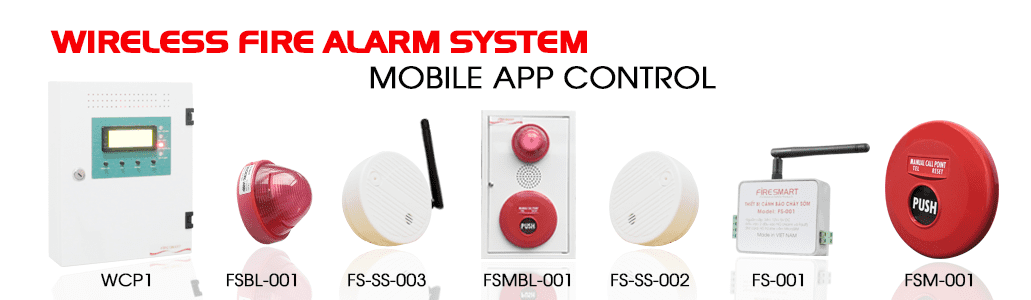
FireSmart – Wireless Fire Alarm Manufacturer in Vietnam
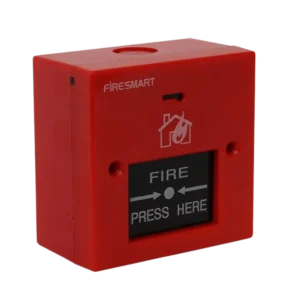
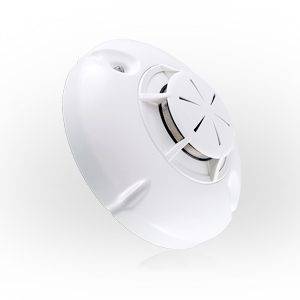
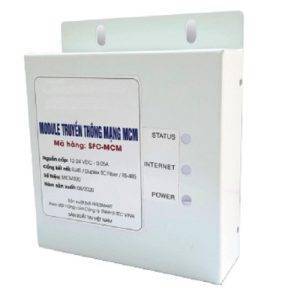
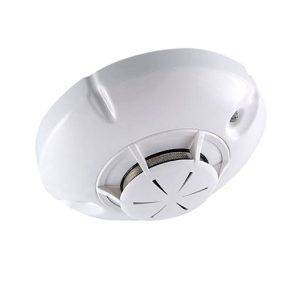
FireSmart is a Vietnamese manufacturer of fire alarm devices and systems.
We research and apply new technologies to modern fire alarm solutions that are practical to deploy, easy to maintain, and well suited to real building conditions in Vietnam.
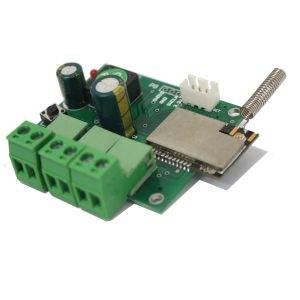
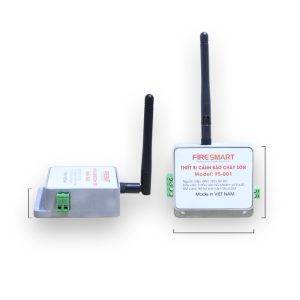
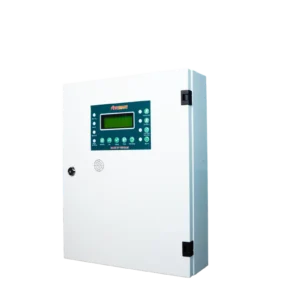
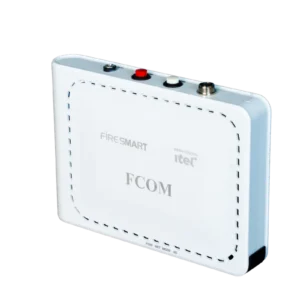
As a wireless fire alarm manufacturer in Vietnam, FireSmart designs, produces and supports fire alarm devices and systems for customers at home and internationally, working with distributors and OEM partners in multiple markets.
Since 1 July 2026, Vietnam has abolished the old fire-safety equipment inspection (kiểm định) procedure under Clause 1, Article 46 of Decree 105/2025/ND-CP. Regulated equipment must instead hold a Circulation Permit (Giấy phép lưu thông) before it is placed on the market. All FireSmart products we manufacture domestically have been granted circulation permission by Vietnam’s Fire Prevention & Rescue Police Department, and every product complies with current regulatory requirements in Vietnam. See our certifications and international compliance roadmap for details on Vietnam and international markets.
Our solutions have been widely used in Vietnam for many years in homes, mini apartment buildings, boarding houses, mixed-use buildings, civil works, commercial projects, and facilities that require flexible, modern fire alarm systems.
Looking to distribute FireSmart in your market, or produce devices under your own brand? See our Become a Distributor and OEM & Private Label pages. Expanding market by market: see our guide to wireless fire alarm systems for the Philippines. See also our guide to wireless fire alarm systems for Cambodia. And for wireless fire alarm systems for Laos. And our guide to wireless fire alarm systems for Myanmar. And our guide to wireless fire alarm systems for Indonesia. And our guide to wireless fire alarm systems for Thailand. And our guide to wireless fire alarm systems for Malaysia. And our guide to wireless fire alarm systems for India. And our guide to wireless fire alarm systems for the UAE. And our guide to wireless fire alarm systems for Saudi Arabia. And our guide to wireless fire alarm systems for Kenya. And our guide to wireless fire alarm systems for Nigeria. And our guide to wireless fire alarm systems for Bangladesh. And our guide to wireless fire alarm systems for Sri Lanka. And our guide to wireless fire alarm systems for Ghana.
Need advice on the right solution or a quick quotation? Visit our contact page or call our hotline for support.
Why wireless fire alarm?
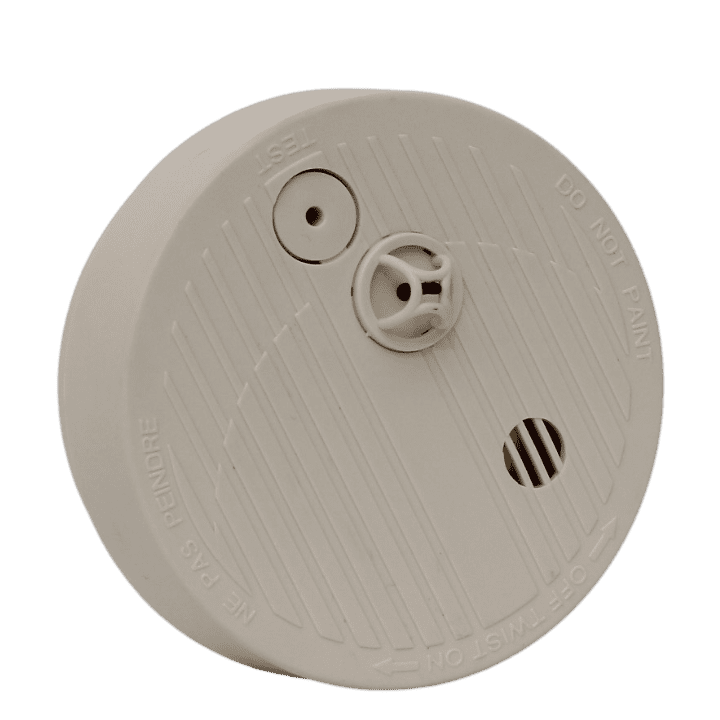
Choosing a wireless fire alarm system over a wired one offers several advantages, particularly in certain contexts and environments. Here are some key reasons why people might prefer wireless systems:
- Ease of Installation: Wireless systems are generally easier and quicker to install compared to wired systems. There’s no need for extensive drilling or cable running through walls and ceilings, which makes them ideal for buildings where such disruption is undesirable, like historical buildings or operational businesses.
- Flexibility and Scalability: Wireless systems offer greater flexibility in terms of placement and expansion. You can easily add, remove, or relocate detectors and devices without worrying about wiring constraints. This makes them suitable for growing businesses or buildings that undergo frequent layout changes.
- Cost-Effectiveness in Retrofitting: In existing buildings, especially those not pre-wired for alarm systems, installing a wired system can be prohibitively expensive and intrusive. Wireless systems can be a more cost-effective and less disruptive option.
- Aesthetic Considerations: Wireless systems eliminate the need for visible wiring, which can be an important consideration in aesthetically sensitive environments like luxury homes, boutique hotels, or galleries.
- Reliability in Certain Environments: Modern wireless fire alarm systems are highly reliable. They often feature mesh network technology, which allows devices to communicate through multiple paths, thereby increasing the system’s overall reliability and reducing the risk of signal obstruction.
- Battery Life and Maintenance: Advances in technology mean that wireless devices now have longer battery lives. Some can operate for several years before needing a battery change, reducing ongoing maintenance requirements.
- Integration with Smart Technologies: Wireless systems often integrate more seamlessly with other smart building technologies, allowing for more sophisticated monitoring and control, and enabling remote access and alerts.
Curious about the company behind these products? Learn more about FireSmart. Want to understand how our wireless fire alarm technology works before you specify it? Read our wireless fire alarm systems guide, including how it is configured for a tropical climate.